Olympiacos Shocks Bayer: UCL Upset Analysis & Tactics
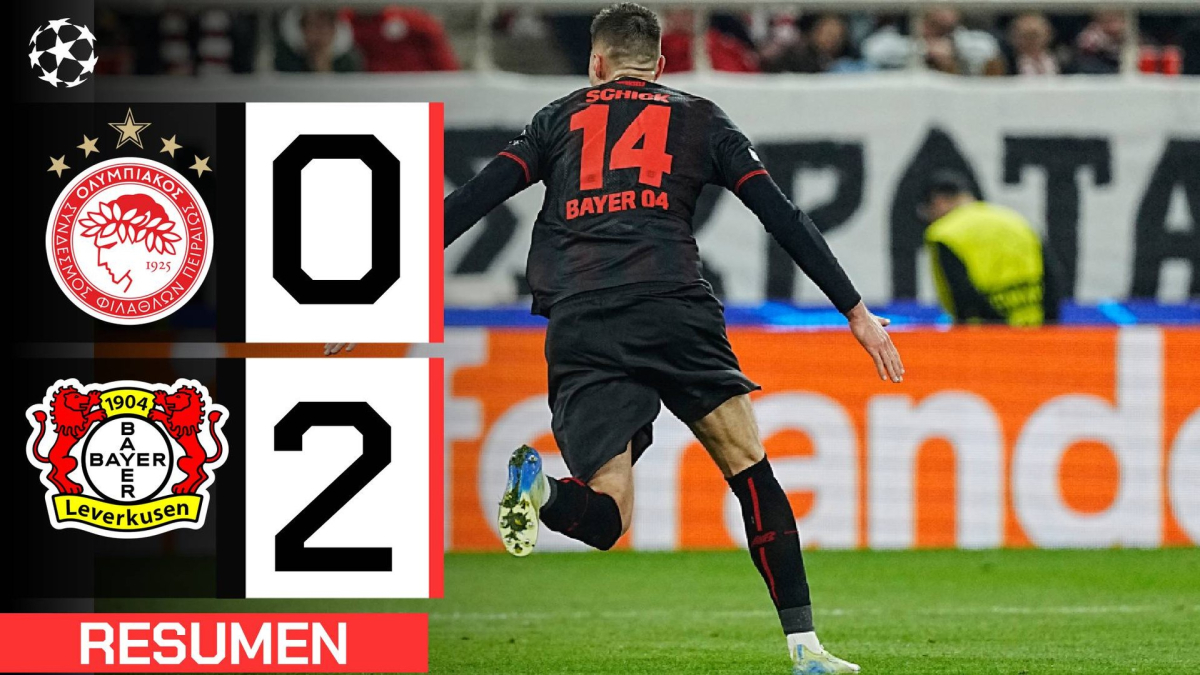
The UEFA Champions League, a stage renowned for its drama and unpredictable narratives, delivered one of its most compelling upsets on January 20, 2026. Against all pre-match expectations, Olympiacos F.C. delivered a stunning 2-0 victory over German giants Bayer 04 Leverkusen at the electric Stadio Georgios Karaiskáki. This wasn't just a win; it was a tactical masterclass, a testament to resilience, and a stark reminder that in football, the statistics only tell part of the story.
Our comprehensive analisis Olympiacos Bayer delves into how the Greek side, despite being the underdogs, dismantled a formidable opponent and set the Champions League ablaze. This article will break down the pre-match context, the tactical brilliance employed by Olympiacos, Bayer Leverkusen's struggles, and the far-reaching implications of this memorable encounter.
The Unforeseen Triumph at Karaiskáki
The scoreboard at the final whistle read Olympiacos F.C. 2, Bayer 04 Leverkusen 0. For many, this was a result that defied logic. Bayer, arriving with a more consistent run of form and a higher league standing, was widely tipped to secure at least a point, if not all three. Yet, it was the Piraeus faithful who celebrated a famous night. The match, kicking off at 21:00, saw Olympiacos deliver a performance rich in defensive discipline and clinical finishing, effectively capitalizing on their limited yet crucial opportunities.
Despite Bayer 04 Leverkusen dominating possession with an impressive 72%, it was Olympiacos who found the back of the net twice, showcasing a remarkable efficiency that left the visitors frustrated. This stunning result has significantly altered the landscape of their Champions League group, injecting a renewed sense of hope and belief into the Greek side's campaign.
Pre-Match Landscape: A Clash of Fortunes
Heading into the January 20th fixture, the two teams presented contrasting pictures. Olympiacos F.C. occupied the 29th position in the competition standings with a modest 5 points, their last five matches revealing a fluctuating form: a win, a loss, a draw, followed by two more losses. This inconsistent run painted them as clear outsiders against a Bayer 04 Leverkusen side positioned 20th with 9 points, boasting a more robust record of a draw, two wins, a loss, and another draw in their recent outings.
Statistical projections further amplified Bayer's perceived advantage. Olympiacos averaged 1.2 goals per match, slightly below the league average of 1.51, despite taking 14.2 shots per game. However, their accuracy was a concern, with only 5.0 shots on target. In contrast, Bayer was expected to leverage their offensive prowess, particularly through star forward Patrik Schick, who averages an impressive 0.7 goals per 90 minutes. Defensively, players like L. Badé, committing 1.3 fouls per 90, were anticipated to be key in disrupting Greek attacks.
The initial tactical formations were also under scrutiny: a 4-2-3-1 for Olympiacos, suggesting a desire for solidity in midfield and wide attacking options, against Leverkusen's more aggressive 3-4-2-1, designed to flood the midfield and create numerical superiority in advanced areas. Referee Maurizio Mariani, known for his balanced control, averaging 3.8 yellow cards and 21.4 fouls per match, was expected to ensure a fair contest. All signs pointed towards a closely contested match, but with a palpable lean towards a Bayer victory based on recent form and underlying metrics.
Tactical Masterclass: How Olympiacos Engineered the Upset
The beauty of football lies in its ability to defy predictions, and Olympiacos delivered a textbook example of this principle. Their 2-0 triumph was not a fluke but the culmination of shrewd tactical planning and unwavering execution. When undertaking an analisis Olympiacos Bayer, the key elements of their success become clear:
- Defensive Solidity and Organization: Despite Bayer's overwhelming possession, Olympiacos maintained an incredibly disciplined defensive shape. Their 4-2-3-1 formation likely transitioned into a compact 4-4-2 or even a 4-5-1 when defending, denying Bayer space in dangerous areas. They didn't chase the ball aimlessly but instead focused on closing passing lanes, forcing Bayer wide, and making it difficult for their creative midfielders and Schick to find pockets of space. This collective effort neutralized Bayer's threats, proving that possession without penetration is often fruitless.
- Clinical Counter-Attacking: With only 28% possession, Olympiacos knew their chances would be few and far between. This necessitated extreme efficiency in transition. When they won the ball, they broke quickly and directly, exploiting any gaps left by Bayer's attacking full-backs or advanced midfielders. Each opportunity was treated with utmost precision, highlighting a focused finishing mentality that bypassed their season's average of 1.2 goals per match. This ruthlessness in front of goal was a significant deviation from their usual accuracy statistics.
- Exploiting Key Player Strengths: While the reference context highlights Gelson Martins' offensive capabilities (0.5 goals, 3.6 shots P90, 3.1 fouls received P90), his role in this game would have been crucial even without scoring. His ability to dribble, hold up the ball, and draw fouls would have provided much-needed relief from Bayer's pressure, earning set-pieces in advanced positions or allowing the defense to regroup. Drawing fouls also breaks up the rhythm of the game, a tactic often employed by underdogs.
- Home Advantage and Mental Fortitude: The Stadio Georgios Karaiskáki is a cauldron of passion, and the home crowd would have played a vital role, galvanizing Olympiacos players and adding pressure on Bayer. This mental edge, combined with a collective desire to upset the odds, enabled Olympiacos to maintain their focus and intensity throughout the 90 minutes, even when under sustained pressure.
Bayer's Frustration: A Possession Puzzle Unsolved
For Bayer Leverkusen, the match was a stark lesson in the difference between control and effectiveness. Holding 72% possession is typically a hallmark of dominance, yet it ultimately led to zero goals. Their inability to translate overwhelming ball control into tangible threats can be attributed to several factors:
- Lack of Penetration: Despite their intricate passing, Bayer struggled to break down Olympiacos' organized defense. Their attacks often became predictable, with crosses into the box easily dealt with, or speculative shots from distance failing to trouble the goalkeeper. The expected contributions of players like Patrik Schick were effectively nullified by Olympiacos' compact lines.
- Ineffective Final Third Play: While they may have accumulated shots, as their average of 14.2 per match suggests, the quality of these chances was likely low. Olympiacos forced them into difficult positions, leading to hurried passes or snatched efforts. The creativity from their 3-4-2-1 formation, which usually allows wide players and attacking midfielders to combine, was stifled.
- Vulnerability on the Counter: Bayer's aggressive, possession-based style inherently leaves them exposed to quick breaks. Olympiacos identified and ruthlessly exploited these vulnerabilities, demonstrating how a momentary lapse in concentration can be severely punished at this level.
- Inability to Adapt: It appears Bayer struggled to find a Plan B when their initial strategy of controlling possession and gradually wearing down Olympiacos failed. This lack of tactical flexibility allowed the Greek side to maintain their defensive shape and counter-attacking threat throughout the game.
Looking Ahead: Implications and Return Leg
This monumental victory has sent ripples through the Champions League, significantly boosting Olympiacos' chances of progressing while leaving Bayer Leverkusen with a considerable challenge ahead. The focus now shifts to the highly anticipated return leg, scheduled for February 24, 2026, at the BayArena in Leverkusen. This will be a completely different contest, with Bayer undoubtedly seeking revenge and aiming to turn the tie around on their home turf.
Mathematical analysis for the return fixture paints a picture of expected Bayer dominance. Predictions suggest a 57% chance of victory for Bayer Leverkusen, with an Over 2.5 goals market at 67%, and a "Both Teams to Score - Yes" at 66%. The expected correct score is 3-1 in favor of Bayer, illustrating the belief that the German side will unleash their full attacking potential at home. However, Olympiacos have proven they can defy expectations, and their robust defensive display will be a crucial factor once again.
For a deeper dive into the tactical setups and player matchups for the upcoming clash, be sure to read our detailed Olympiacos vs Bayer: Key Player Battle & UCL Stats Guide. And for those looking for insights into the next encounter, including betting perspectives, check out our comprehensive Bayer Leverkusen vs Olympiacos: UCL Prediction & Tips.
The analisis Olympiacos Bayer from the first leg serves as a powerful reminder of football's inherent unpredictability. Olympiacos' 2-0 triumph was a masterclass in counter-attacking football and defensive resilience, proving that heart, tactical discipline, and clinical finishing can overcome statistical disadvantages. As we look towards the return leg, Bayer will need to learn from their frustrations, while Olympiacos will draw immense confidence from their historic upset. The Champions League drama continues, promising another captivating chapter in this exciting rivalry.